THE RETURN OF CLASSIC VICE
It doesn't take a lambasting of Steven Bartlett's Diary of a CEO to know that attitudes to how we live in our bodies are shifting. Wellness culture asked us to optimise everything: what we drink, what we eat, what we inhale.
The cracks are showing, and something older is stepping through them. Not a new vice, not a new subculture, but the classic, understated kind our grandparents would recognise. Three data points, three different categories, one direction of travel.

DRINK: GEN Z CLOSES THE GAP
Gen Z was meant to be the generation that killed the drinks industry. According to IWSR's twice yearly Bevtrac survey of consumer behaviour, the drinking rate among Gen Z legal drinking age consumers across fifteen key markets has stabilised at 74%. This rate, up from 66% three years ago, is now nearly identical to the total adult population drinking rate of 76%. In the UK specifically, participation among the Gen Z LDA+ population rose to 76%, up from 66% three years ago.
The generation actually pulling back is the one nobody expected. Boomers registered significant declines across all consumption metrics and now have the lowest drinking rate of any generation at just 71%, a decline of two percentage points compared to three years ago. As IWSR's own President put it: "The narrative that Gen Z is the generation of moderation is now conclusively debunked." Moderation didn't disappear. It just moved up a generation.

MEAT: AUTHENTICITY OVER ABSTINENCE
Red meat is back on the menu, and not quietly. Per Tastewise's Trend Report 2026, authenticity of meat credentials, provenance, breed, rearing method, has become a key topic of social conversation. The plant-based wave asked consumers to justify meat. The classic vice wave is asking them to source it properly instead of cutting it out. Same appetite, different question.

SMOKING: THE COMEBACK NOBODY ANNOUNCED
Cigarettes are having a moment that has nothing to do with quitting.
Despite decades of anti-smoking campaigns, legislation focused on the habit's serious health risks and a long-term decline in smoking rates, cigarettes have become noticeably less taboo once again, showing up on Dua Lipa, Charli XCX, and across the visual language of films like Materialists.
Jared Oviatt, who runs the @cigfluencers Instagram account, is clear about what's actually happening: "a photo of someone smoking a cigarette on Instagram is going to land a lot better than one of them holding a neon vape you can play Brick Breaker on." Smoking has become, in his words, "a signal that someone is tapped into the current mood or zeitgeist."
That's not just an online aesthetic. A UCL study published in the journal Addiction found real regional upticks: between 2020 and 2024, smoking rates in the South West climbed from 16.0% to 18.7%, with small increases also in the South East (15.4% to 16.8%) and London (15.8% to 17.0%). Lead author Dr Sarah Jackson didn't mince words: "across England progress has stalled in recent years, and in some regions smoking rates appear to be increasing."

WE SEE:
Three categories, three separate bodies of research, one pattern: the culture that spent a decade optimising itself is now reaching back for the version of vice that came before the wellness industry got involved. Not excess. Not rebellion for its own sake. Just the classic ritual, done properly and without apology.
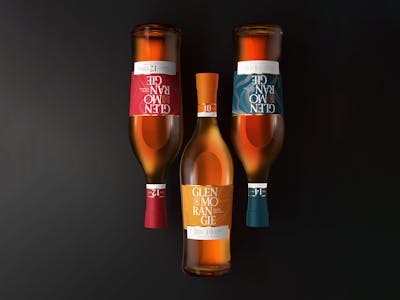
That's exactly the ground a Scotch brand should want to stand on. Scotch already owns heritage, ritual, and the idea that some pleasures are worth doing right rather than doing less of. If ever there was a cultural moment for a Scotch brand to re-emerge and claim that territory before someone else does, this is it.
Vice didn't get louder. It got older, calmer, and a lot more confident. The brands that understand that distinction first will be the ones that own it.
Published 17 September 2026 · Sarah Lorimer, LOVE
Subscribe by getting in touch here: hello@lovecreative.com.